CRISPR Brief Gene editing, clearly explained for the UK

CRISPR Brief

Gene editing, clearly explained for the UK

Latest Articles

The Referral Filter: How Britain's Gene-Editing Trials Find Their Patients — and Who Never Gets the Letter
Clinical Trials

The Referral Filter: How Britain's Gene-Editing Trials Find Their Patients — and Who Never Gets the Letter

Recruitment maps for UK CRISPR studies cluster around a small number of teaching hospitals, and the same communities recur in cohort after cohort. The explanation lies less in patient preference than in referral routes: who knows a trial exists, which clinicians think to mention it, and what happens to families outside those networks. This is a practical look at the infrastructure Britain would need to find the second, third and hundredth patient as reliably as the first.


The Woodland Is the Trial: Editing Ash Without Rushing the Evidence
Policy and Ethics

The Woodland Is the Trial: Editing Ash Without Rushing the Evidence

Ash dieback has left British woodlands with a generational wound, and gene editing is now being considered as a route to durable resistance. This article examines what an edited ash tree would actually need to prove, how UK release rules would apply, and why public consent in forestry is harder than it looks.

The Stopping Point: What Britain Owes CRISPR Volunteers When a Trial Ends Early
Clinical Trials

The Stopping Point: What Britain Owes CRISPR Volunteers When a Trial Ends Early

Early-phase CRISPR trials can close for reasons unrelated to patient benefit: funding ends, a sponsor changes direction, or recruitment pauses after a safety signal. This article examines what UK participants are actually promised when a gene-editing trial stops early, and why Britain needs a publicly accountable exit plan rather than a strong consent form alone.

The Prep-Room Prerequisite: Are UK School Labs Ready for CRISPR?
Policy and Ethics

The Prep-Room Prerequisite: Are UK School Labs Ready for CRISPR?

Low-cost CRISPR teaching kits are moving into UK secondary schools, but the practical questions are less about excitement than about containment, curriculum fit and teacher support. This briefing examines what schools, exam boards and safety advisers need to settle before gene editing becomes a routine classroom exercise.

The Blood Spot Bargain: Should Newborn Screening Promise a Cure That CRISPR Has Not Yet Delivered?
Policy and Ethics

The Blood Spot Bargain: Should Newborn Screening Promise a Cure That CRISPR Has Not Yet Delivered?

Britain’s newborn blood spot test already catches treatable conditions. As CRISPR therapies move closer to licensed care, the UK National Screening Committee must decide whether early diagnosis should run ahead of guaranteed treatment — and what parents are owed when it does.

Beyond the Cold Chain: Britain’s Missing Gene-Therapy Workforce Plan
Policy and Ethics

Beyond the Cold Chain: Britain’s Missing Gene-Therapy Workforce Plan

Britain’s CRISPR debate has focused on laboratories, logistics and drug budgets. The people who must deliver and monitor these therapies — specialist nurses, pharmacists, clinical scientists and community teams — are less visible, and less planned for. A credible NHS workforce strategy is now as important as the science itself.

Policy and Ethics

The Twenty-Minute Question: What CRISPR Diagnostics Must Prove Before They Reach a GP's Desk

Cas-based tests can return pathogen or resistance results in under an hour, but UK general practice is a test of workflow, evidence and reimbursement as much as molecular biology. This analysis sets out the hurdles a CRISPR diagnostic would face before an NHS surgery could use one in 2026.

The Long Road to a Trial: Britain’s CRISPR Geography and the Patients Beyond the South East
Clinical Trials

The Long Road to a Trial: Britain’s CRISPR Geography and the Patients Beyond the South East

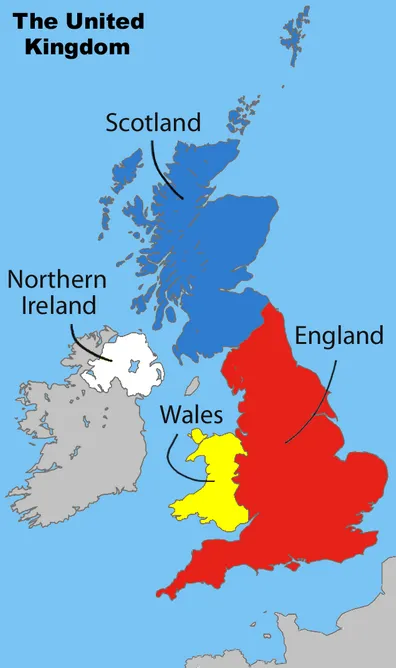
Advanced CRISPR trials in Britain remain concentrated in London and the South East, leaving patients in Wales, Scotland, Northern Ireland and northern England to weigh travel, follow-up and referral practicalities. This guide sets out what regional patients and clinicians should ask before a trial becomes a realistic option.

The Brake Test: Britain’s Case for a CRISPR Therapy That Can Be Stopped
Research

The Brake Test: Britain’s Case for a CRISPR Therapy That Can Be Stopped

Anti-CRISPR proteins are moving from laboratory curiosity to candidate safety layer in British gene-editing research. The question for 2026 is not whether a CRISPR edit can be made, but whether the sector can prove, to the MHRA and to patients, that it can be reliably stopped.

The Partial Cure Problem: What Happens When CRISPR Works Only Partly?
Clinical Trials

The Partial Cure Problem: What Happens When CRISPR Works Only Partly?

CRISPR coverage tends to assume a clean binary: the edit works or it does not. In practice, UK trials and any future NHS rollout must plan for partial responses, waning effects and patients for whom the technology offers little or nothing. This article examines what non-response means scientifically and why Britain needs a more honest infrastructure for the patients left behind.

The Surgery as Gatekeeper: Building a Primary-Care Route for CRISPR Questions in 2026
Policy and Ethics

The Surgery as Gatekeeper: Building a Primary-Care Route for CRISPR Questions in 2026

As gene-editing therapies move from specialist centres into wider NHS conversation, primary care is becoming the first place many patients will raise the subject. This article examines the training, referral routes and plain-English resources UK general practice needs in 2026, and sets out what a workable surgery-level pathway could look like.

The Package Is the Therapy: Britain’s CRISPR Bottleneck Moves to Delivery
Research

The Package Is the Therapy: Britain’s CRISPR Bottleneck Moves to Delivery

Britain’s CRISPR conversation is shifting from how precisely an editor can cut to how reliably it can be packaged, routed and unloaded inside the body. Lipid nanoparticles, viral vectors and next-generation capsules now sit at the centre of the UK’s translational agenda.

The Conversation Before the Consent Form: Making Sense of CRISPR Trials in Britain
Clinical Trials

The Conversation Before the Consent Form: Making Sense of CRISPR Trials in Britain

Informed consent for CRISPR trials in the UK is often treated as a document to be signed. This article examines what MHRA and HRA guidance expects, why off-target risks and long-term follow-up are hard to explain, and the practical questions patients and families should ask before enrolment.

The Bioreactor Test: What Britain Must Prove Before CRISPR Blood Reaches the Ward
Clinical Trials

The Bioreactor Test: What Britain Must Prove Before CRISPR Blood Reaches the Ward

Britain's effort to manufacture CRISPR-edited red blood cells is often framed as a supply revolution. In practice, it is a test of cell-culture scale, regulatory evidence and NHS prioritisation. This analysis separates near-term clinical trials from the longer promise of donor-free transfusion.

The Language of Editing: Why Britain’s CRISPR Sector Needs a Common Lexicon
Policy and Ethics

The Language of Editing: Why Britain’s CRISPR Sector Needs a Common Lexicon

Britain’s gene-editing conversation is increasingly fluent in molecular detail but less consistent in the words used to describe outcomes. This editorial argues that a plain-English lexicon, agreed by researchers, regulators, journalists and patients, is now a practical necessity for consent, coverage and public trust.

Who Gets to Be Cured? Britain’s CRISPR Trials and the Representation Gap
Clinical Trials

Who Gets to Be Cured? Britain’s CRISPR Trials and the Representation Gap

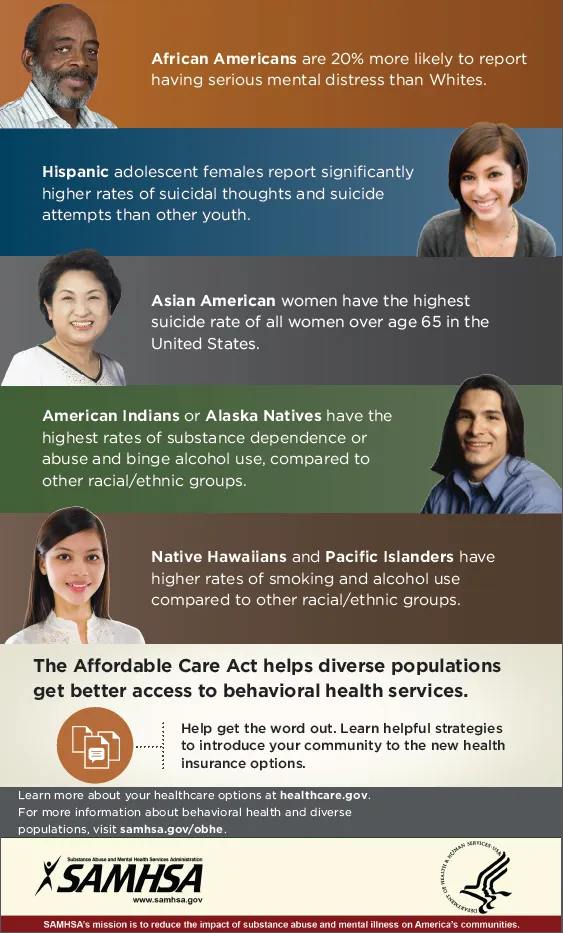
Britain’s gene-editing trials are moving from promise to practice, but the patients who enrol do not always reflect the NHS that will eventually deliver these therapies. The reasons are scientific, logistical and historical—and the fixes are more demanding than a diversity statement.

When a Cure Enters Your Medical Record: CRISPR, Insurance and the UK's Genetic Rulebook
Policy and Ethics

When a Cure Enters Your Medical Record: CRISPR, Insurance and the UK's Genetic Rulebook

A successful somatic CRISPR treatment may remove symptoms, but it does not remove the diagnosis from a patient's file. This briefing maps how the UK's voluntary insurance Code treats predictive genetic tests, where somatic editing sits outside it, and what patients should ask before a trial or licensed therapy.

The Sequence in the Safe: What Happens to Your Data After a CRISPR Trial
Clinical Trials

The Sequence in the Safe: What Happens to Your Data After a CRISPR Trial

A CRISPR trial generates more than a treatment: it creates sequences, consent forms, hospital entries and biobank samples. This UK guide explains consent tiers under GDPR, what can be refused, and how to read the data-sharing clauses most volunteers skim.

Ten Questions for Westminster: A CRISPR Briefing for People Who Write the Rules
Policy and Ethics

Ten Questions for Westminster: A CRISPR Briefing for People Who Write the Rules

Parliamentary staff, civil servants and local health leaders are increasingly asked to make judgements about gene editing without a scientific background. Here are ten questions worth being able to answer, each with a short briefing note.

Minus 150 Degrees: The Unbuilt Infrastructure Behind Britain's CRISPR Therapies
Clinical Trials

Minus 150 Degrees: The Unbuilt Infrastructure Behind Britain's CRISPR Therapies

Britain's gene-editing trials are progressing, but the treatments they produce depend on an unglamorous chain of cryogenic storage, specialist couriers and pharmacy capacity that few talk about. This is the infrastructure question that will decide whether one-off cell therapies reach patients equitably.