Beyond the Cold Chain: Britain’s Missing Gene-Therapy Workforce Plan
The work that begins after the infusion
When Britain discusses CRISPR therapies, the conversation tends to fix on the visible machinery of innovation: the laboratory bench, the clinical trial protocol, the frozen shipment, the price negotiated with the manufacturer. These are legitimate concerns. Yet a gene-editing therapy does not end when the infusion is complete or the edited cells are returned to the patient. It enters a health system that must observe, advise, record and respond — often for years.
In 2026, as more CRISPR-based treatments move from trial settings into NHS planning, that second phase is becoming the harder problem. The United Kingdom does not lack scientific expertise in gene editing. It lacks a settled answer to a more ordinary question: who, exactly, will do the clinical work?
A workforce that crosses professions
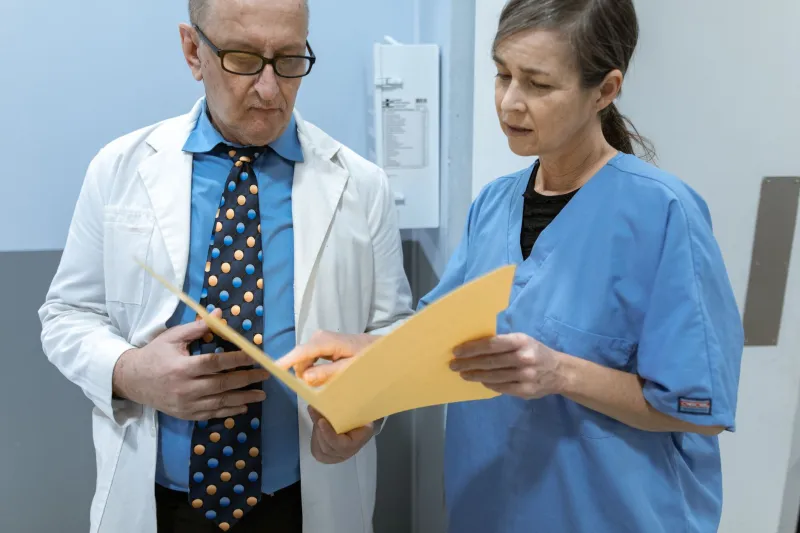
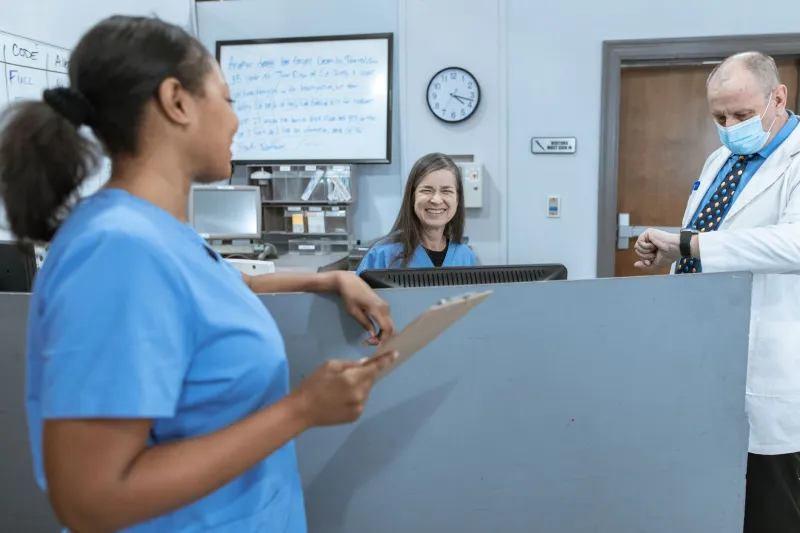
Gene-editing care is not delivered by one occupation. It draws on haematologists and oncologists who select and supervise patients; specialist cell-therapy nurses who manage apheresis, infusion and early toxicity; pharmacists who handle complex dispensing, storage and interaction checks; clinical scientists in histocompatibility and molecular laboratories; and administrative teams who keep track of long follow-up schedules.
Each group has its own training route, regulator and capacity constraints. That fragmentation matters. A therapy can be approved, funded and physically delivered, yet still stall if no nurse is trained to recognise delayed complications, no pharmacist can answer a prescriber’s question about a novel formulation, or no laboratory has the staff to process the required monitoring samples.
Earlier waves of advanced therapy — notably CAR-T cell treatment — offered a partial rehearsal. They showed that specialist centres can build competent teams, but also that expertise clusters in a small number of sites. The risk for CRISPR is that Britain repeats that pattern without asking whether it is sustainable.
The community pharmacy front line
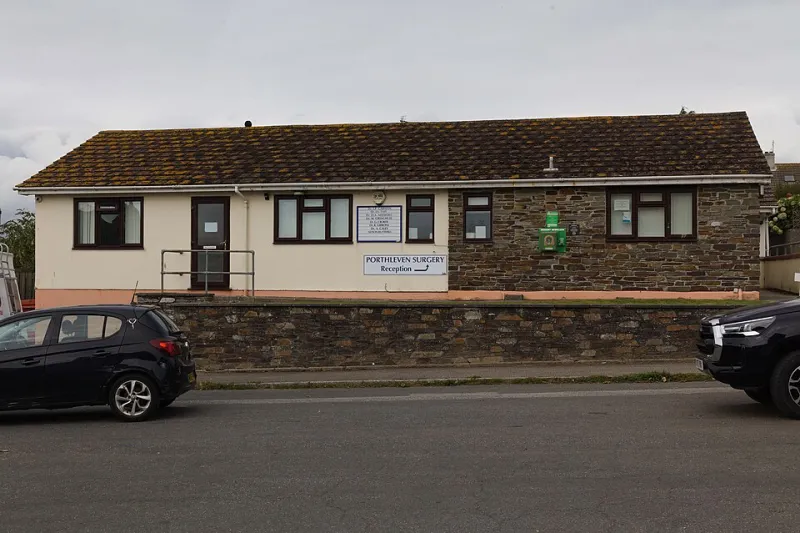
Much of the public conversation imagines gene editing as a hospital-only activity. In practice, patients live in communities. They ask their local pharmacist whether a new symptom matters, whether an over-the-counter medicine is safe, or whether a letter from a specialist centre changes their routine prescriptions.
Community pharmacists are therefore part of the workforce gap, even if they never handle a CRISPR product directly. They need plain-language guidance on what these therapies are, what long-term monitoring involves and when to escalate a query. That is not a demand for specialist expertise in every high street. It is a demand for a reliable referral pathway and consistent national information.
The same applies to general practitioners. A patient who has undergone gene editing may present years later with an unrelated illness. The GP record must make the therapy visible without overwhelming the clinician with irrelevant detail. That is a workforce and informatics issue as much as a clinical one.
Accreditation without fragmentation
Britain has a strong tradition of professional accreditation, and gene-editing care will need it. But accreditation can become a barrier if every trust, royal college and devolved health system invents its own version. A nurse who is competent to manage a cell-therapy patient in one centre should not face unnecessary duplication when moving to another.
The sensible approach is a shared core curriculum, agreed across the UK, with local add-ons where services differ. Competencies should cover recognition of cytokine release syndrome and neurotoxicity where relevant, long-term follow-up, consent conversations, data handling and the practicalities of coordinating care across sites.
This is not glamorous work. It is the work that determines whether a therapy is safe in ordinary use.
Regional capacity and the devolved question
Workforce planning in the UK is never purely national. NHS England, NHS Scotland, NHS Wales and Health and Social Care in Northern Ireland each have their own structures. A CRISPR therapy commissioned in one nation may require specialist input from another. Patients may travel. Samples certainly will.
A credible plan must therefore map not only where treatments are licensed, but where trained staff actually live and work. It should identify which centres can provide 24-hour support, which can offer long-term follow-up, and which community services need better links to specialist hubs.
There is also an ethical dimension. If gene-editing expertise concentrates in London and a handful of large cities, access becomes a postcode lottery by another name. Workforce policy is therefore part of the equity argument that CRISPR Brief has followed since these therapies began reaching patients.
What a credible plan would look like
A serious UK workforce strategy would begin with an honest headcount. As of late 2026, there is no single public picture of how many clinicians, pharmacists, nurses and laboratory scientists are trained to deliver advanced gene therapies, nor how many will be needed over the next five years.
It would then align training with commissioning. NICE recommendations and NHS service specifications should be accompanied by explicit staffing assumptions, not left to individual trusts to solve. Funding for backfill and protected training time matters, because competence cannot be built in spare moments.
Finally, it would treat workforce as part of the therapy’s licence to operate. Regulators rightly demand long-term follow-up. That promise is empty without the people to carry it out.
The second pair of hands
CRISPR science has advanced with remarkable speed. Britain’s ability to deliver it safely will depend on a slower, less celebrated task: building a workforce that can explain, administer, monitor and reassure. The cold chain can be engineered. A trained nurse, an informed pharmacist and a coordinated regional team cannot be ordered at short notice.
If 2026 is the year gene editing becomes an NHS planning issue, it must also be the year the workforce stops being an afterthought. The second pair of hands is not a supporting detail. It is the delivery system.