Will Precision-Bred Food Reach British Supermarkets? A Shopper's Guide to the UK's Gene-Editing Rules
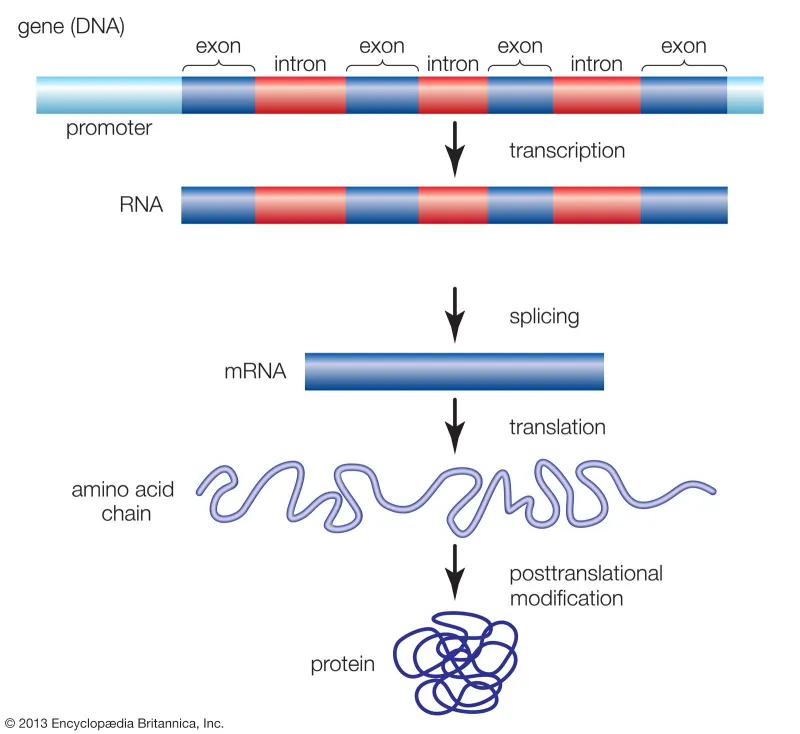
Photo: gene edited tomatoes supermarket UK food labelling, via cdn.britannica.com
Walk into a British supermarket in 2026 and you are unlikely to find a label saying gene-edited. Yet the rules that will shape whether such products appear are already in place in England. The Precision Breeding Act 2023 created a new route for crops and animals produced by precision breeding, including gene editing. Ministers promised a more science-led system that could support climate-resilient farming and cheaper, healthier food. Critics warned of consumer distrust and weakened oversight. The truth, as so often, sits in the detail.
What the Precision Breeding Act actually changed
The Act, which applies in England, separates precision-bred organisms from traditional genetically modified organisms. The test is whether the genetic change could have arisen through conventional breeding or natural variation. Gene editing that switches off a gene, or alters a single base, can therefore fall into the new category. The Act does not create a free-for-all. It requires a risk assessment, a public register and authorisation for food and feed. Defra handles environmental releases; the Food Standards Agency handles food safety. The promise is proportionality; the risk is that speed outruns public understanding.
Why England is not the whole UK
Food and farming rules are devolved. Scotland, Wales and Northern Ireland have taken a more cautious approach, and the UK internal market means food produced in England may still move across borders. That creates a familiar post-Brexit tension: one part of the UK can set a permissive route while another restricts it. For shoppers, the practical question is where a product was produced and under which regime. For students, it is a case study in regulatory divergence and trade.
Which products could arrive first
The first candidates are likely to be crops with traits that matter to growers and processors rather than consumers. Late-blight-resistant potatoes could reduce fungicide use. Wheat with lower acrylamide-forming potential could improve food safety. Tomatoes with enhanced vitamin D, oilseed rape with altered fatty acids and virus-resistant sugar beet are also in the pipeline. None of these is guaranteed to reach a British shelf soon. Seed companies must complete trials, food safety checks and retail negotiations. Supermarkets will move only if the supply chain and customer response look manageable.
Will shoppers know?
England has not proposed mandatory GM-style labelling for precision-bred food. Transparency is meant to come through the public register and FSA authorisations, not a supermarket sticker. Retailers may choose to label products as precision bred, but they may also fear that a label sounds like a warning. This is the central consumer trust dilemma. Surveys suggest UK shoppers are more accepting of gene editing than of transgenic GM, especially when traits benefit health or the environment. Acceptance is not the same as enthusiasm, and it depends heavily on who is trusted to explain the change.
The trust question
Three issues will shape public confidence. First, animal welfare: precision breeding could accelerate disease resistance, but it could also entrench intensive farming. Second, corporate concentration: if a few seed and chemical companies control the main traits, smaller farms may lose choice. Third, organic standards: organic certification generally excludes gene editing, so clarity for producers and shoppers matters. The FSA has run public dialogue exercises, but trust is built through consistent labelling, independent evidence and honest talk about uncertainty.
What to watch in 2026 and beyond
The next milestones are not dramatic. They are regulatory: which products complete authorisation, whether retailers commit, and how devolved administrations respond. A cautious shopper can watch the FSA register. A student should compare the Act with the EU's stricter rules and ask why the UK chose a different path. The innovation case is real: gene editing can be faster and more precise than conventional breeding. The caution is equally real: precision does not automatically mean safety, and public consent cannot be assumed.
A shopper's checklist
- Check the FSA register for authorised precision-bred foods.
- Look for retailer statements on gene-edited ingredients.
- Distinguish precision breeding from transgenic GM.
- Ask whether the trait benefits consumers, farmers or both.
- Watch devolved policy if you live outside England.
Gene-edited food is not about to fill British shelves overnight. But the decisions being made now will determine whether it arrives with clarity or with a quiet drift into the weekly shop. That is why the label matters less than the conversation behind it.